
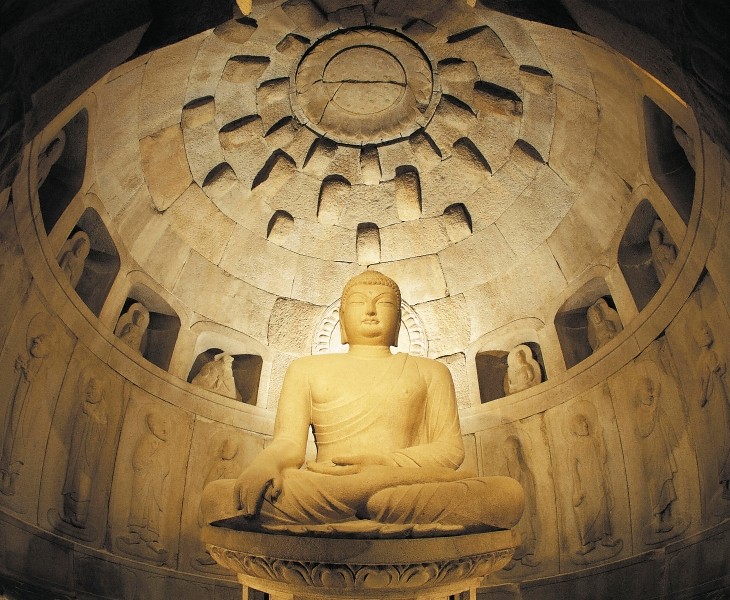
Seokguram Grotto and Bulguksa Temple: On the Mount Tohamsan near Gyeongyu these sites blend a perfect example of timeless architecture. The atmosphere there gives us reflection of ancient artistry. This site is beloved by pilgrims and art lovers. These sites are also recognized as Korea’s earliest UNESCO sites.

Changdeokgung Palace Complex: This palace has a stunning architecture with a decent garden. With its unique designing philosophy the place acts as a retreat for the visitors.
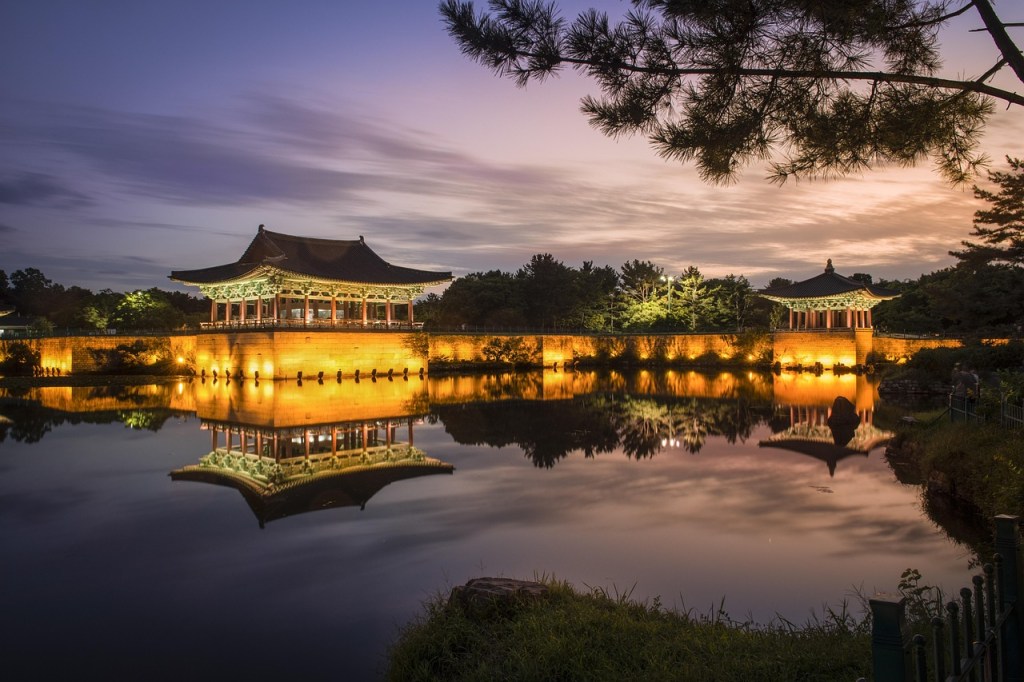
Gyeongju Historic Areas: This museum is known as “museum without walls”. The site gives us glimpses of royal tombs, temples and observatories from Silla Kingdom. Each structure in this museum tells stories of culture, astronomy and ancient power.
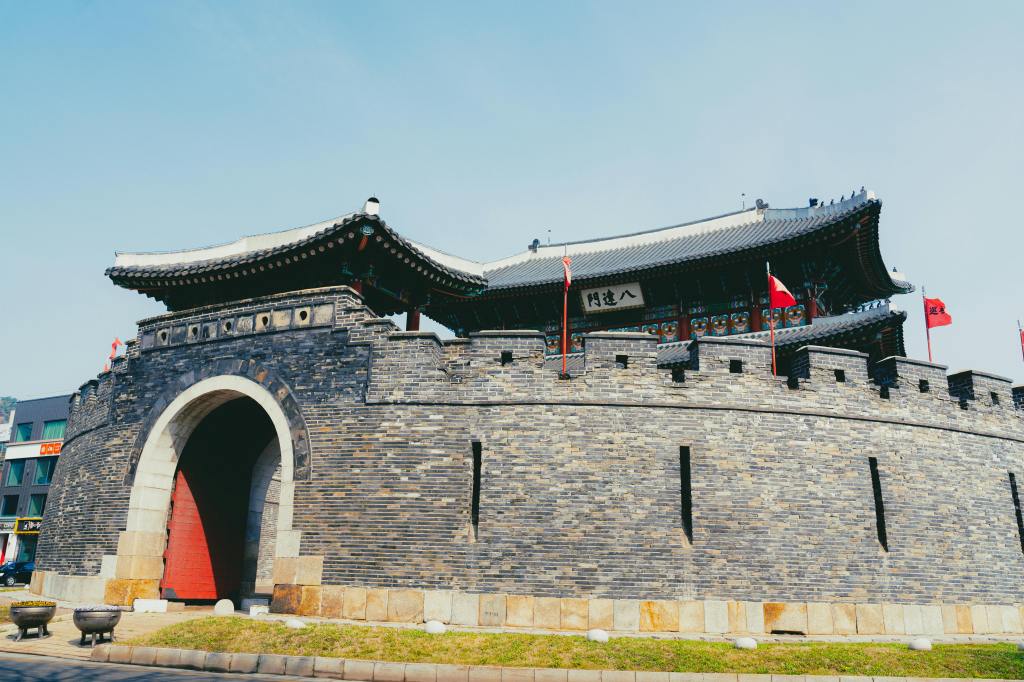
Hwaseong Fortress: This strong fortress encircle the city with its ingenious 18th century military design made up of brick and stone. During festivals and night hours the fortress turns into a live historical stage.
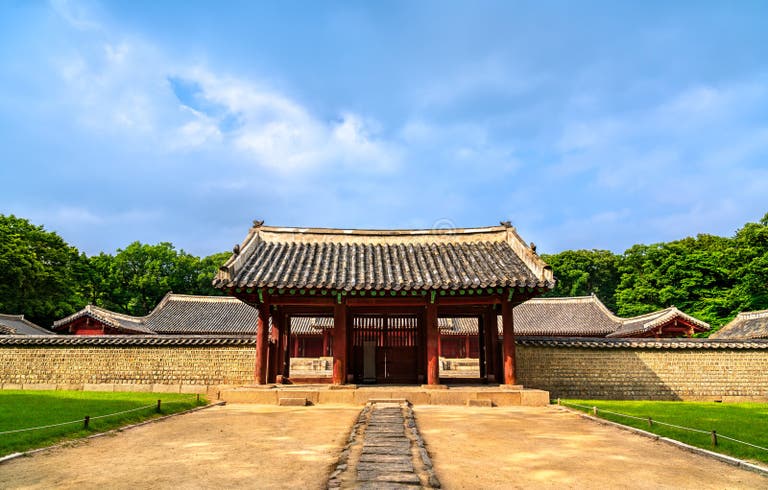
Jongmyo Shrine: The Jongmyo Shrine hosts centuries old Confucian rituals. The musical ceremonies held there connects today’s Seoul with ancient traditions.

Royal Tombs of the Joseon Dynasty: There are 40 tombs scattered among the forest area in Seoul that feature elegant stone figures. All of these tombs were placed to harmonize with the Korea’s mountains and rivers.
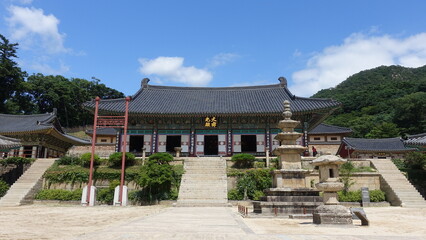
Haeinsa Temple Janggyeong Panjeon: This complex of temples houses those raise back in the 13th century are of woodblocks which is also a Buddhist treasure. The unique architecture protects all the ancient texts from weathering.
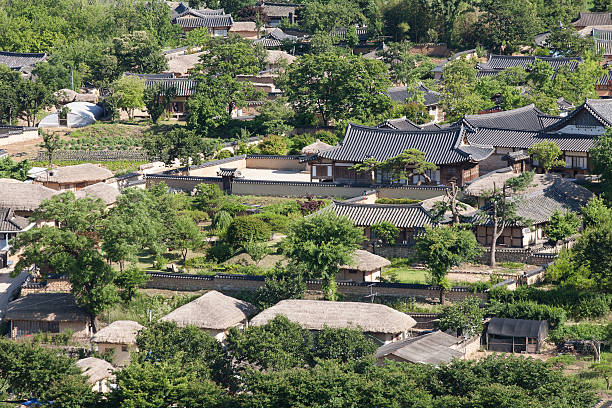
Historic Villages of Hahoe and Yangdong: The place often referred as a living museum where festivals and traditions still continue. The houses in this villages consist of houses with well preserved tile roofed homes on rolling hills.

Baekje Historic Areas: The murals and stones here reflects creative adaptations and cultural openness. The site reveal the artistry of temples, fortresses, and tombs of Baekje Kingdom

Gochang, Hwasun and Ganghwa Dolmen Sites: These sites are UNESCO recognised sites known for its mysterious grandeur and architectural significance. These sites builds curiosity about ancient rituals and social life.
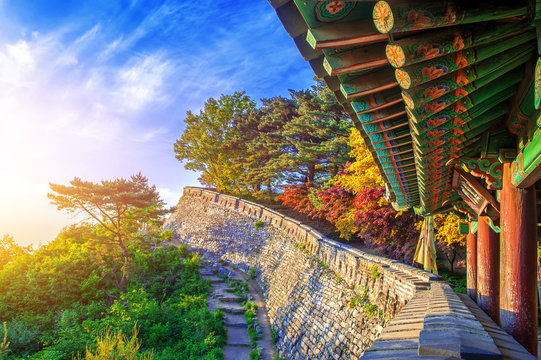
Namhansanseong: This mountain fortress above Seoul once served as an emergency royal capital. Its hiking trails wind past old ramparts, watchtowers, and temples. The structure symbolizes resilience and adaptation during Korea’s turbulent past.
 The Korea Times Xpress